About The Song
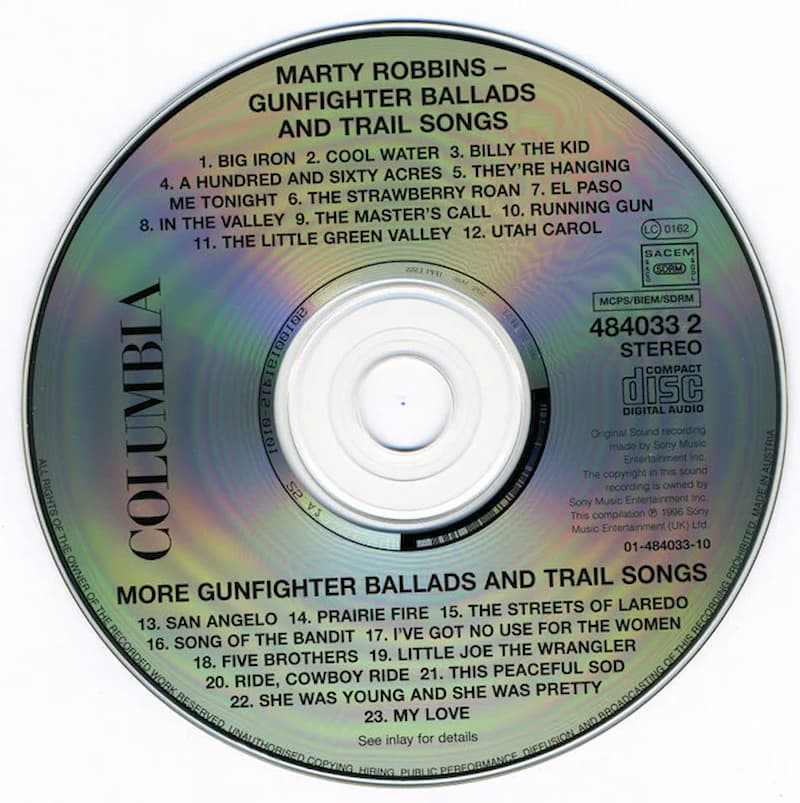
“A Hundred and Sixty Acres” is a western narrative song recorded by Marty Robbins and released in 1960 on his album More Gunfighter Ballads and Trail Songs. Issued by Columbia Records, the album was a direct continuation of Robbins’s highly successful Gunfighter Ballads and Trail Songs and further established his reputation as the foremost storyteller of western-themed country music. The song was included as an album track and was not released as a commercial single.
The title refers to the 160-acre land allotment associated with the Homestead Act of 1862, which granted parcels of land to settlers willing to live on and work the property. Robbins drew on this historical context to frame a song centered on frontier settlement rather than gunfighting or outlaw life. “A Hundred and Sixty Acres” reflects the quieter, labor-driven side of western expansion, focusing on endurance, responsibility, and the promise of land ownership.
Lyrically, the song tells the story of a settler claiming and working his land, emphasizing the hardships and determination required to survive. The narrator describes isolation, physical labor, and long-term commitment, presenting the land not as a romantic ideal but as something earned through persistence. The lyric’s tone is sober and realistic, underscoring that success on the frontier depended more on resilience than adventure.
Musically, “A Hundred and Sixty Acres” is arranged in the restrained western ballad style typical of Robbins’s gunfighter-era recordings. Acoustic guitar forms the foundation of the arrangement, supported by light rhythm and minimal instrumental accents. The tempo is steady and unhurried, reinforcing the sense of ongoing labor and long-term effort that defines the song’s narrative.
Marty Robbins’s vocal performance is calm and authoritative. He delivers the lyric with a storyteller’s restraint, avoiding emotional exaggeration. This measured approach allows the song’s themes of patience and perseverance to emerge naturally and aligns with Robbins’s broader approach to western material, where clarity and moral perspective take precedence over drama.
Although “A Hundred and Sixty Acres” did not chart as a single, it became well known through the popularity of More Gunfighter Ballads and Trail Songs, which sold strongly and remained influential for decades. The album’s cohesive western concept ensured that even non-single tracks reached a wide audience and became lasting parts of Robbins’s catalog.
In retrospect, “A Hundred and Sixty Acres” is regarded as a representative example of Marty Robbins’s ability to explore western history beyond gunfighters and legends. By focusing on homesteading and daily struggle, the song broadens the emotional and thematic range of his western recordings. It remains a respected deep cut and continues to appear on reissues and compilations documenting Robbins’s enduring contribution to narrative country and western music.
Video
Lyric
I got a hundred and sixty acres in the valley
Got a hundred and sixty acres of the best
Got an old stove there that’ll cook three square
And a bunk where I can lay me down to rest
Up at dawn to greet the sun
I’ve forgotten what a care or worry means
Head for home when day is done
With my pocket money jinglin’ in my jeans
I’ve got a hundred and sixty acres full of sunshine
Got a hundred and sixty million stars above
Got an old paint hoss, I’m the guy who’s boss
On the hundred and sixty acres that I love
Up at dawn to greet the sun
I’ve forgotten what a care or worry means
Head for home when day is done
With my pocket money jinglin’ in my jeans
I’ve got a hundred and sixty acres full of sunshine
Got a hundred and sixty million stars above
Got an old paint hoss, I’m the guy who’s boss
On the hundred and sixty acres that I love
Got an old paint hoss, I’m the guy who’s boss
On the hundred and sixty acres that I love