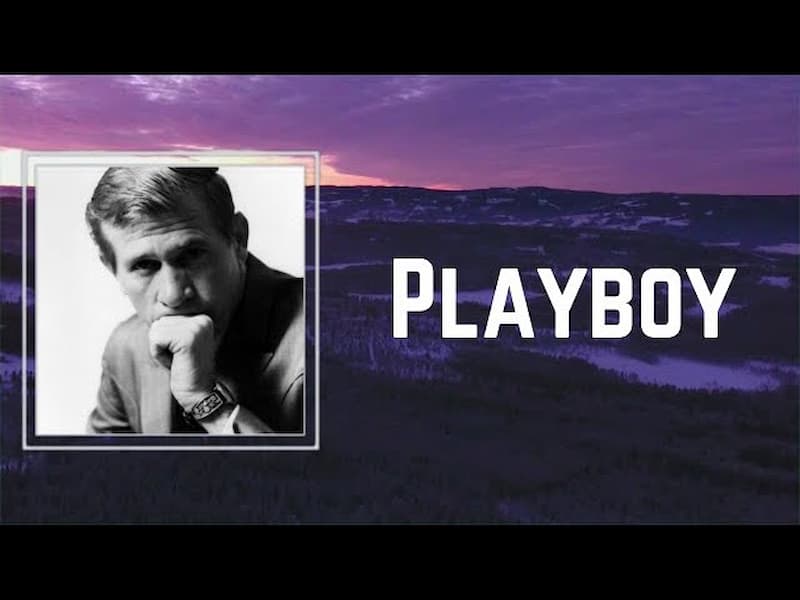
About The Song
When Buck Owens and the Buckaroos cut “Playboy” for their 1964 album I Don’t Care, they were also tipping a hat to the California honky-tonk world that helped shape them. The song wasn’t written in-house; it’s credited to Eddie Miller and Bob Morris—two working writers whose tune had already been circulating before Owens put it on a major Capitol release. Discogs listings for original LP pressings keep those same writing credits in the track details.
The trail starts with Wynn Stewart, a key early voice in what later got labeled the Bakersfield sound. SecondHandSongs lists Stewart as the first artist to record “Playboy” on May 24, 1960, with the single released July 1, 1960. That timing matters because Stewart’s records were part of the local West Coast ecosystem—loud Telecasters, dance-hall drums, and a backbeat—built as a reaction to the smoother, string-heavy Nashville sound that dominated late-’50s country.
By the time Owens recorded “Playboy,” he was turning that same Bakersfield approach into mainstream business. Wikipedia dates the I Don’t Care album to November 2, 1964, recorded in July 1964 at Capitol’s Hollywood studio with producer Ken Nelson. The LP hit No. 1 on Billboard’s country albums chart, and the title-track single “I Don’t Care” spent six weeks at No. 1. The credits also show how much the “Buckaroos” were treated as a real unit: the album includes a duet with Rose Maddox and even spotlights lead vocals from Don Rich and Doyle Holly.
“Playboy” itself works like a tight character sketch. The narrator gets tagged by the town—bright lights, night spots, a reputation that sounds like bragging—while quietly admitting the image is a mask for loneliness. Country music has always loved that flip, but in Owens’ hands it lands like something you’d hear at closing time in a bar rather than a moral lesson. He doesn’t need to oversell it; the point is that everybody thinks they’ve figured him out, and they’re wrong.
There’s also a Bakersfield inside-joke in choosing a song tied to Stewart. Stewart is often credited as a pioneer of the Bakersfield sound, while Owens (with the Buckaroos) became one of its biggest stars. So even if “Playboy” wasn’t chosen as a Buck Owens single, cutting it on a chart-topping Capitol album functioned like continuity: the same regional scene and vocabulary, now pressed onto an LP that would travel far beyond California dance floors.
Modern track listings also underline the band piece of the story. On streaming credits for Owens’ recording, Don Rich is singled out for guitar and vocals, which fits what fans already know about that era: the Buckaroos’ snap and precision weren’t background color, they were the signature. Heard that way, “Playboy” isn’t just an album cut—it’s a small thread connecting Wynn Stewart’s 1960 single to Buck Owens’ 1964 peak, with the Bakersfield attitude intact the whole way.
Video
Lyric
They call me a playboy
While I’m making my rounds
Chasing the bright lights
Of every night spot in townThough I never show, son,
My heart’s breaking in two
They may call me a playboy
But I’m just lonesome for youI once had a real love
That was when I had you
Now, I’ll never feel love
With anyone newThis false front I’m wearing
Is just to cover my blues
They may call me a playboy
But. I’m just lonesome for you[Instrumental]
I once had a real love
That was when I had you
Now, I’ll never feel love
With anyone newThis false front I’m wearing
Is to cover my blues
They may call me a playboy
But. I’m just lonesome for youThey may call me a playboy
But. I’m just lonesome for you.They may call me a playboy
But. I’m just lonesome for you…