About The Song
Dolly Parton released her second solo studio album, Just Because I’m a Woman, on April 15, 1968, through RCA Victor. It marked her first full solo project on the label after she left Monument Records and joined the cast of The Porter Wagoner Show in late 1967. The title track served as the album’s only single, issued shortly afterward. By this point Parton had already begun building a name through duet work with Wagoner, but the album signaled her push toward a distinct solo identity in Nashville.
Recording took place over roughly two weeks in December 1967 at RCA Studio B. Producer Bob Ferguson, a key figure in shaping the Nashville Sound, oversaw the sessions that yielded twelve tracks in just over thirty minutes. Parton wrote four songs for the project, including the title cut, drawing from her own experiences rather than relying solely on outside material. The sessions captured her straightforward vocal delivery alongside growing confidence as a songwriter.
The song itself came from a candid conversation early in Parton’s marriage to Carl Dean, whom she wed in 1966. Shortly after they married, Dean asked if she had been with anyone before him. Parton answered honestly that she had. His reaction left him upset for days, even though he carried his own history. In later interviews she described how that private exchange lingered and eventually became the spark for the track, turning a moment of tension into something larger.
The lyrics address the situation directly. Parton sings from the viewpoint of a wife who sees disappointment in her husband’s eyes and acknowledges her past mistakes. She reminds him that those errors carry no greater weight simply because she is a woman. One verse notes how men can sometimes damage a woman’s reputation yet still expect purity when it comes to marriage. The chorus delivers the plain-spoken point: “My mistakes are no worse than yours, just because I’m a woman.” The words stay grounded in everyday reality rather than grand statements.
In 1968 country music rarely heard female artists speak so openly about double standards in relationships. Some radio programmers found the message too direct and gave the single limited spins. Yet the track still connected with listeners who recognized the unequal expectations it described. Parton has said the song reflected the traditional mountain values she grew up with while quietly questioning them at the same time.
The single reached number 17 on the Billboard Hot Country Songs chart and stayed on the listing for fourteen weeks. The parent album climbed to number 22 on the Billboard Top Country Albums chart, spending nine weeks there. Those positions were solid for an early solo release and helped separate Parton’s work from her duet catalog with Wagoner.
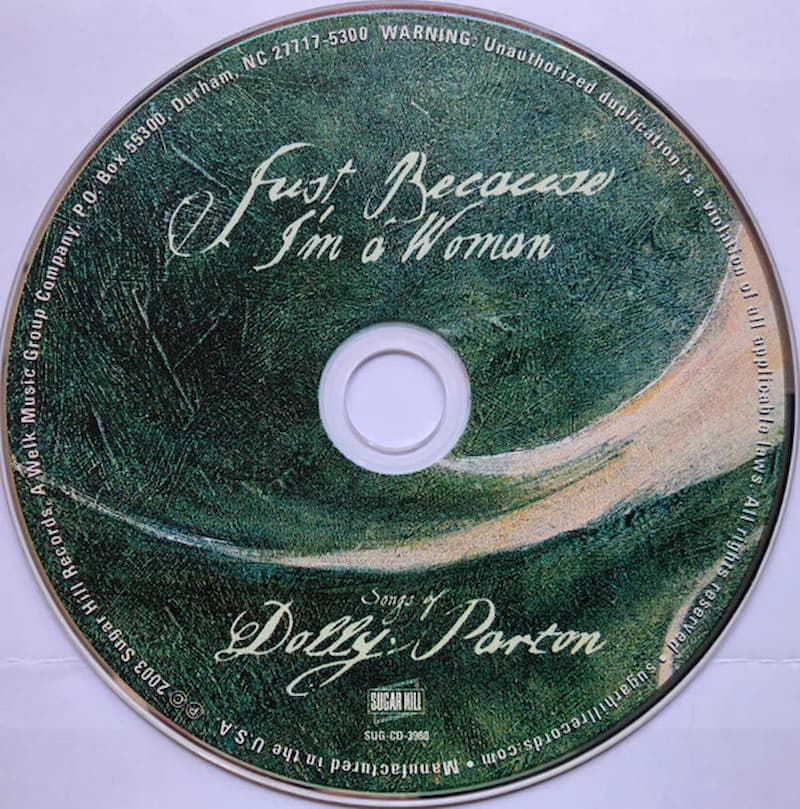
Parton revisited the song decades later. She re-recorded it for the 2003 tribute album Just Because I’m a Woman: Songs of Dolly Parton, performing the title track herself while other artists covered the rest of her catalog. She also sang it during the Women Rock event that year. The piece has stayed one of the early songs she points to as central to her catalog, a quiet reminder of both personal honesty and the broader conversations it started.
Video
Lyric
I can see you’re disappointed
By the way you look at me
And I’m sorry that I’m not
The woman you thought I’d be
Yes, I’ve made my mistakes
But listen and understand
My mistakes are no worse than yours
Just because I’m a woman
So when you look at me
Don’t feel sorry for yourself
Just think of all the shame
You might have brought somebody else
Just let me tell you this
Then we’ll both know where we stand
My mistakes are no worse than yours
Just because I’m a woman
Now a man will take a good girl
And he’ll ruin her reputation
But when he wants to marry
Well, that’s a different situation
He’ll just walk off and leave her
To do the best she can
While he looks for an angel
To wear his wedding band
Now I know that I’m no angel
If that’s what you thought you’d found
I was just the victim of
A man that let me down
Yes, I’ve made my mistakes
But listen and understand
My mistakes are no worse than yours
Just because I’m a woman
No, my mistakes are no worse than yours
Just because I’m a woman